

Sonoma County, California, stretches from the Pacific Coast in the west to the Mayacamas Mountains in the east. Almost 60,000 acres of vineyards and more than 425 wineries fall within the borders of 19 American Viticultural Areas (AVAs), or appellations, each with its own distinctive characteristics. Located on the northern edge of the greater San Francisco Bay Area, Sonoma County is the largest wine producer in Northern California. Our wines have won countless national and international wine awards – come see why. Learn more about Sonoma County’s wine regions here.
Sonoma County Appellations (AVAs): Alexander Valley, Bennett Valley, Carneros - Sonoma, Chalk Hill, Dry Creek Valley, Fort Ross - Seaview, Fountaingrove District, Green Valley of Russian River Valley, Knights Valley, Moon Mountain, Northern Sonoma, Petaluma Gap, Pine Mountain - Cloverdale Peak, Rockpile, Russian River Valley, Sonoma Coast, Sonoma Mountain, Sonoma Valley, and West Sonoma Coast.
Sonoma County's 19 AVAs
It’s tempting to report that Knights Valley is one of the last, remote corners of Sonoma County that’s undeveloped, like…
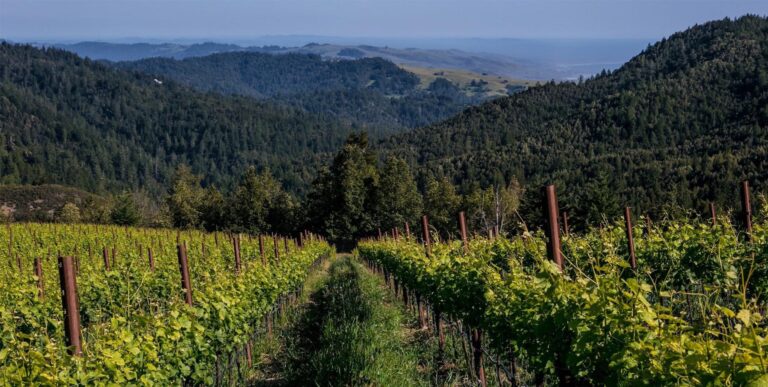
With the recent approval of the newly established West Sonoma Coast American Viticultural Area (AVA), Sonoma County now has a…
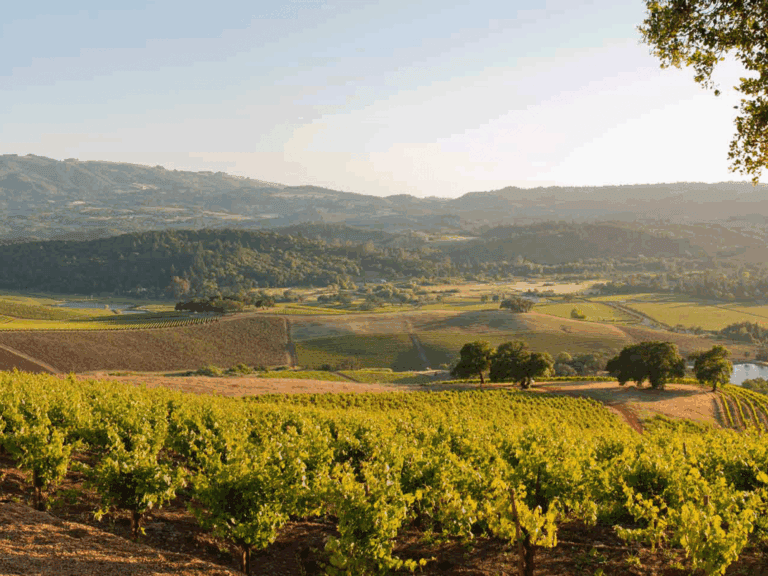
The Sonoma Valley encompasses Sonoma County’s widest range of wine grapes, the most dramatic contrasts of terrain, and the longest…
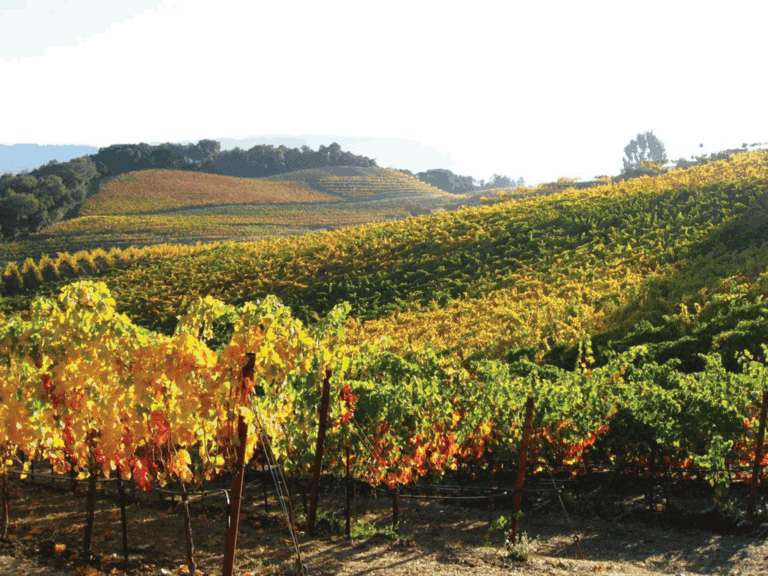
Few Sonoma County wine regions are so singularly determined by elevation, exposure, and geographical feature as Sonoma Mountain American Viticulture…
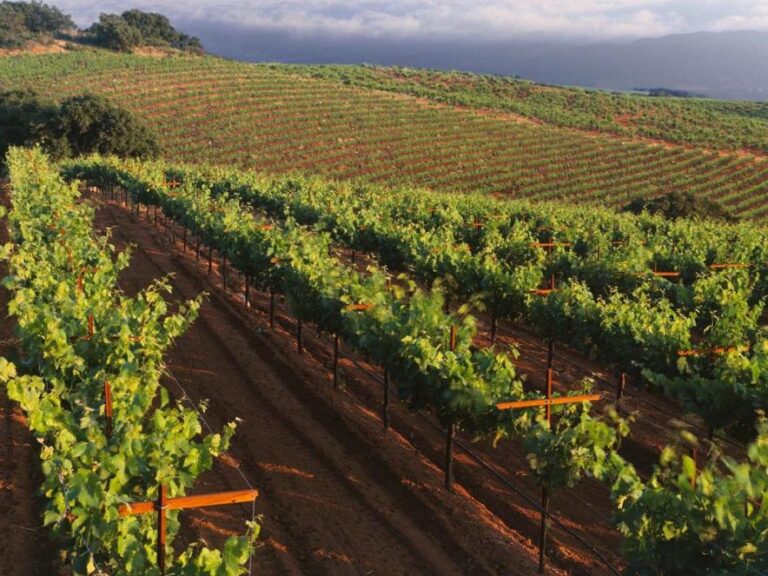
Soaring more than 2,000 feet above Sonoma Valley, the highest vineyards in the Moon Mountain District American Viticultural Area (AVA)…
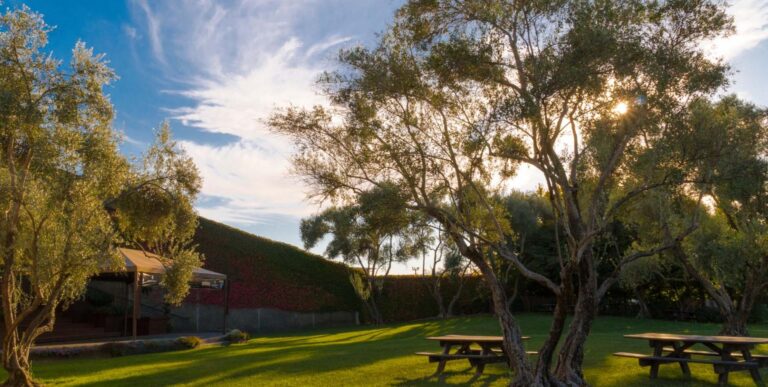
Established in 1990, the 329,000-acre Northern Sonoma appellation is Sonoma County’s second-largest AVA (after the Sonoma Coast), combining the better part…
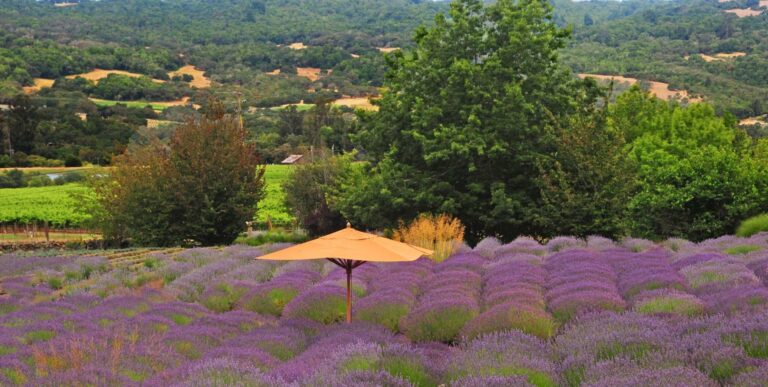
Although Sonoma County’s Bennett Valley has only been recognized as an American Viticultural Area (AVA) since 2003, the grapevine got…
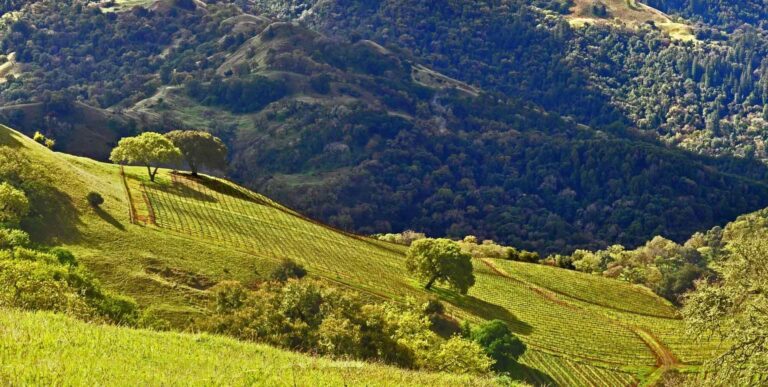
Basking in the sun like a lizard on a rock, Sonoma County’s Rockpile AVA is perched high above Dry Creek…
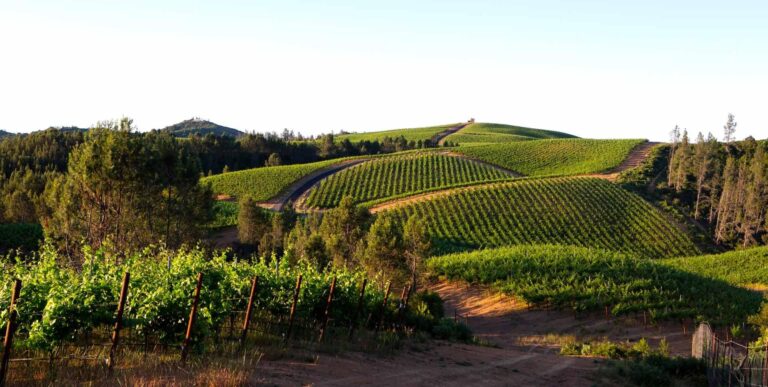
“Like islands in the clouds,” is how grape growers describe the view from Pine Mountain-Cloverdale Peak in the morning, when much…
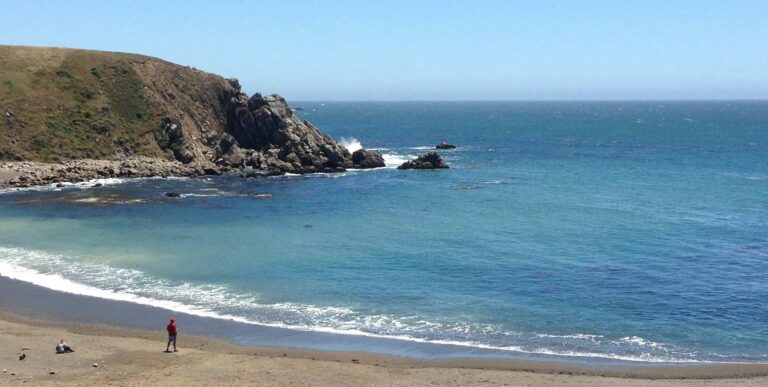
One of Sonoma County’s most distinctive American viticultural areas (AVAs) is located in the coastal hills above Fort Ross State…
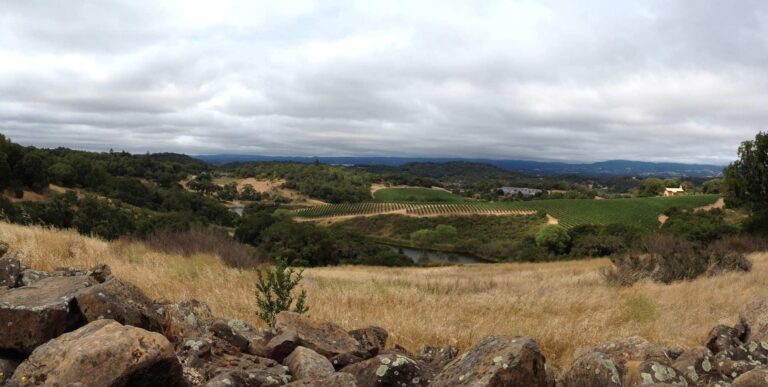
The founder of Chalk Hill Estate Vineyards & Winery only discovered his property by flying over it in a small plane,…
The Green Valley of the Russian River Valley suffers an identity crisis in name only. Originally called Green Valley, the…
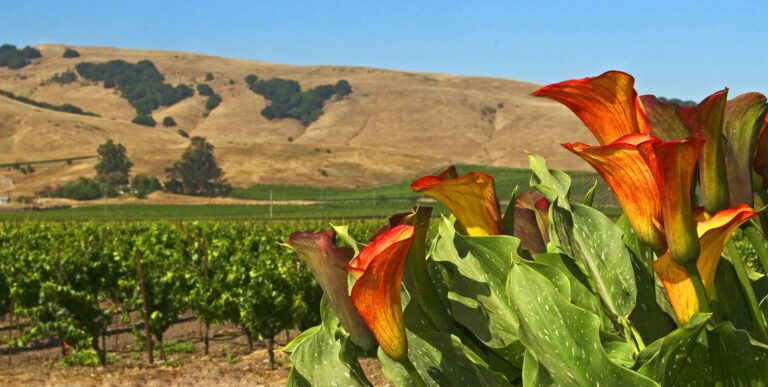
Bounded by climate and topography, the Carneros wine-growing region in Northern California is uniquely unbounded by political affiliation – Sonoma…
The Sonoma Coast American Viticulture Area (known as an AVA or appellation) may be Sonoma County’s most enigmatic wine region….
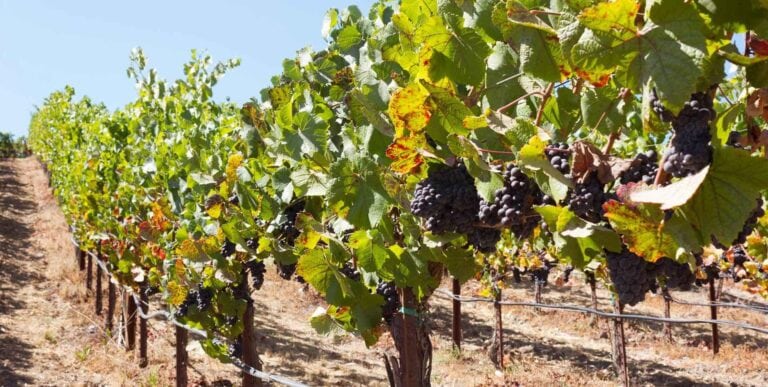
It’s fitting that the Russian River Valley American Viticultural Area (AVA) lies at the geographical heart of Sonoma County. This…
The Fountaingrove District is a sleeper of an appellation within Sonoma County, achieving American Viticultural Area (AVA) status without much…
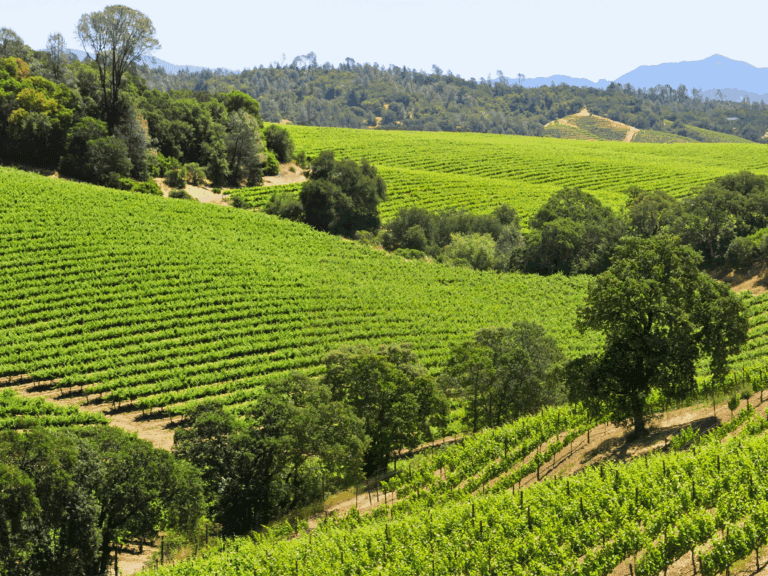
With a grape-growing history going back 140 years, the compact Dry Creek Valley American Viticultural Area (AVA) includes more than…
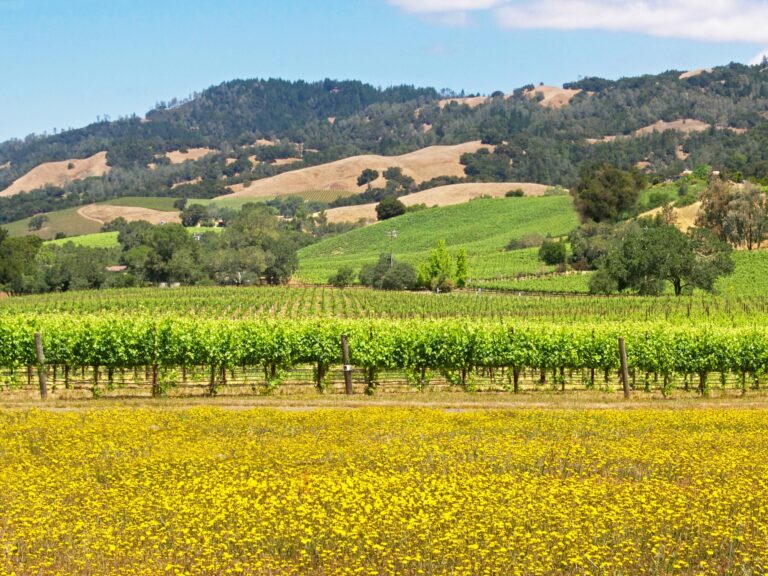
Named after an enterprising pioneer by the name of Cyrus Alexander, the Alexander Valley was considered a better place to…
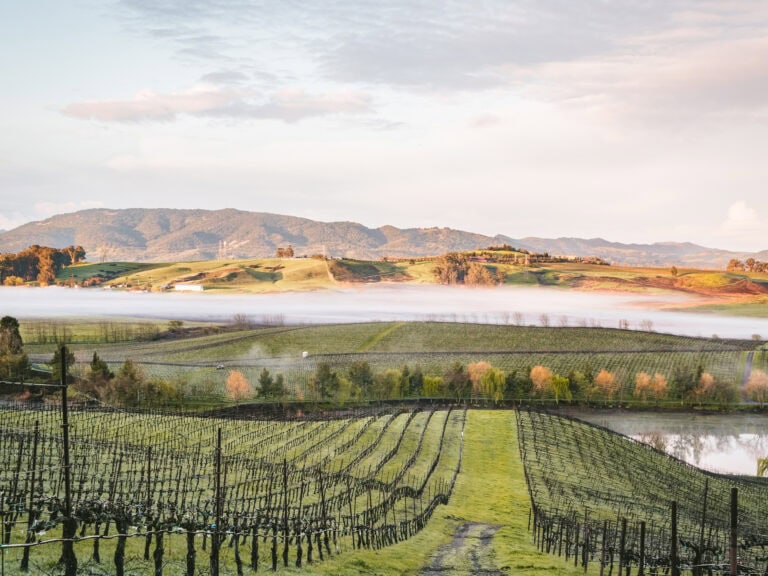
Newly designated in 2018, the Petaluma Gap is among the growing number of appellations to earn American Viticultural Area (AVA)…
Frequently Asked Questions About Sonoma County AVAs
AVA is the acronym for American Viticultural Area. A viticultural area is also known as an appellation, and has a unique combination of factors that produce specific grape-growing conditions and wine styles. In general, AVA-defining factors are climate, topography, and soil types.
Climate includes an AVA’s temperature range, hours of fog and/or sun, and proximity to a body of water; the latter has a moderating influence on an AVAs temperature and the length of its grape growing season. Bodies of water that influence Sonoma County AVAs include the Pacific Ocean, Russian River, and San Pablo Bay.
Topography encompasses an AVA’s physical land features, including mountains, plains, grasslands, forests, hills, and valleys. Sonoma County’s topography includes the Mayacamas and Sonoma mountains, and vineyard elevations range from near sea level (Sonoma Coast AVA and Petaluma Gap AVA) to roughly 2,600 feet (Pine Mountain-Cloverdale Peak AVA).
Soil types in Sonoma County include volcanic, alluvial, sedimentary, clay-based, and gravelly loam. Its most famous soil type is Goldridge, a well-drained and low-nutrient sandy loam in the Russian River Valley AVA, known for encouraging high-quality Pinot Noir and Chardonnay grapes.
There are 19 different AVAs in Sonoma County. Found all over the county, these AVAs range widely in temperature, landscape and grapes produced. By vineyard plantings, the smallest is the cool-climate Sonoma Coast AVA, with only 2,000 acres of vineyards (most producing Pinot Noir and Chardonnay), and the largest is the warm-climate Alexander Valley AVA, with about 15,000 acres of vineyards (most producing Cabernet Sauvignon).
Sonoma County Wine Country is planted with almost 63,000 acres of vineyards, representing only about six percent of the county’s 1,576 square miles of land.
The Russian River Valley AVA is world-famous for its premium Pinot Noir and Chardonnay. Other popular AVAs include the Dry Creek Valley AVA, best known for Zinfandel, and the Alexander Valley and Sonoma Mountain AVAs, well known for Cabernet Sauvignon.
Sonoma County’s 19 AVAs are generally spread far apart. To get the most enjoyment from a Sonoma County wine-tasting trip, we recommend focusing on a few AVAs at a time, spending two or three days to get a full experience, and visiting only three or four wineries a day.
For Sonoma wine-tasting itinerary-inspiration, check out:
For premium Pinot Noir and Chardonnay, head to the Russian River Valley AVA (and its Green Valley and Chalk Hill sub-AVAs) and Sonoma Coast AVA. The Russian River Valley is spread over a wide area, encompassing parts of Sebastopol, Graton, Santa Rosa, Forestville, Guerneville, Windsor, and Healdsburg. The Sonoma Coast is set about 40 to 50 minutes from the downtown areas of Santa Rosa and Healdsburg.
For Zinfandel, visit the compact Dry Creek Valley AVA, set just west of downtown Healdsburg. Most of this AVA’s wineries are set along the east and west sides of 16-mile-long Dry Creek Valley Road.
Cabernet Sauvignon lovers should visit the Alexander Valley, Knights Valley, and Sonoma Mountain AVAs. Alexander Valley AVA encompasses much of Healdsburg and Geyserville, with most wineries set along U.S. Route 101 and Highway 128. Knights Valley AVA begins about 7 miles southeast of Alexander Valley, along Highway 128. Sonoma Mountain AVA is roughly 9 miles northwest of Sonoma Plaza.
For Sauvignon Blanc, check out the Dry Creek Valley and Alexander Valley AVAs, among others.
Sparkling wines can be found throughout the county, but especially in the Russian River Valley and Carneros AVA; the latter is divided between Sonoma County and Napa Valley, and begins roughly five minutes southeast of Sonoma Plaza.
Sonoma County is twice the size of Napa Valley, and home to 425 wineries. The region’s AVAs experience greater coastal influence, cooler climates, and a broader diversity of soils and grape varieties than those in Napa Valley.
Napa Valley is smaller and more compact than Sonoma County, and home to upward to 500 wineries. The valley is set east of the Maycamas Mountains, experiencing warmer temperatures and little coastal influence.
For more differences between Sonoma and Napa, check out Sibling Rivalry: What Does Sonoma County Have that Napa County Doesn’t?
THIS IS WINE COUNTRY.
Share your experience using #SonomaCounty or #LifeOpensUp

Travel Deals & Special Offers
Book lodging specials, tickets for attractions, wine tasting experiences, and dining deals.
Meet LOU
LOU is your personal AI travel assistant, inspiring you to search and discover all that Sonoma County has to offer.