5 Amazing Historic Sites You Should Explore
In the mid-1800s, Mexico ruled Northern California, owning hundreds of thousands of acres of ranchos in what is now Sonoma County. Russians and Alaskans also played a major role in the region’s development, settling the coastal area near Jenner. History buffs will enjoy visiting sites established by these fascinating groups, piecing together Sonoma Wine Country’s colorful past.
Fort Ross State Historic Park, Jenner

A former Russian colony, this gorgeously weathered compound is the product of a great adventure. Around 1812, a Russian sailing ship anchored on a stretch of coastline called Mettini by the Kashia band of Pomo Indians, who then called it home. This foreign ship disgorged some two dozen Russian and 80 Alaskan immigrants, who promptly set about building first a camp, then houses and a stockade for their bluff-top community.
These immigrants also built California’s first ships and windmills, introduced glass-paneled windows, created the first brickyard, cataloged the local flora and fauna, completed detailed maps, and, as noted by Fort Ross Interpretive Association officials, were among California’s earliest entrepreneurs. Through the work of this band of pioneers, Sonoma County established its Russian River region.
Some of Fort Ross’ 19th-century structures still remain on this 3,200-acre cliff-top site, as does a cannon and a water tower. The visitor center here features ongoing presentations about early Sonoma County’s Russian architecture, intercultural relations, trade, and agriculture.
Mission San Francisco Solano, Sonoma
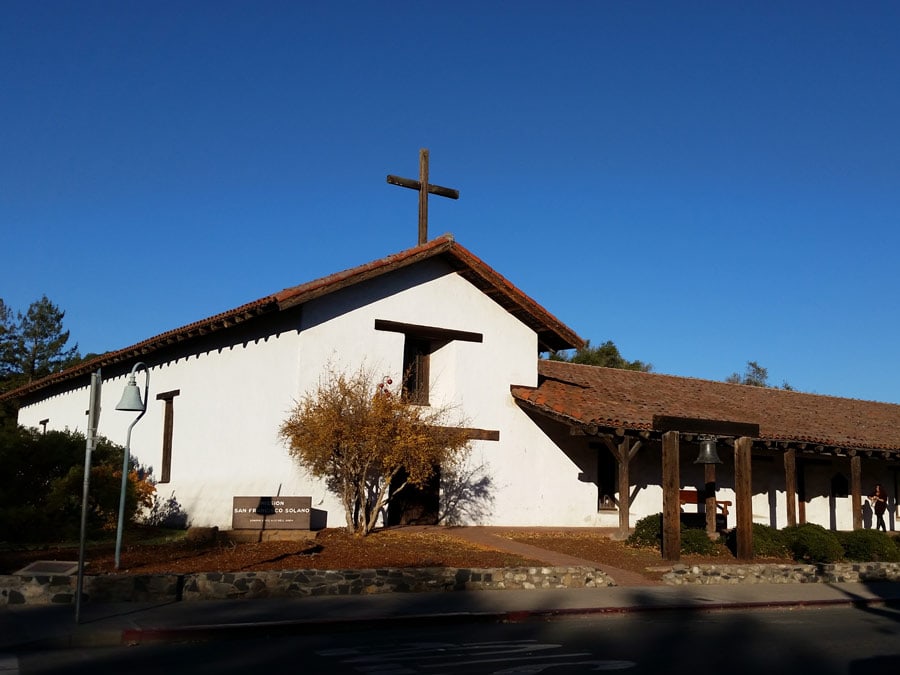
Founded on July 4, 1823, the graceful white stucco and terracotta-tile parish and church here were originally part of a 27-room compound that housed the Mission padre and his young Native American converts. These days, the Mission operates as a museum and art gallery, displaying fascinating antique items like an iron used for making Communion wafers, a 1840 weekly Devotional prayer booklet, and an anvil dating to 1766 that was used for pounding out metal trim.
Sonoma Barracks, Sonoma

Mexico’s Lieutenant Colonel Mariano Guadalupe Vallejo was Comandante-General of the Northern Alta California’s frontier forces and founder of the town of Sonoma, when in June 1846, a group of 33 Americans, under the banner of California’s Bear Flag, staged a revolt against Vallejo — taking the Sonoma Barracks for the United States.
By 1852, revolution had led to America’s full possession of California, and these barracks served as a home base for United States soldiers and sailors. This historic building now serves as a museum depicting the life of these military members and displays an extensive collection of post-Mission-era items, including a well-preserved cannon and the original Bear Flag.
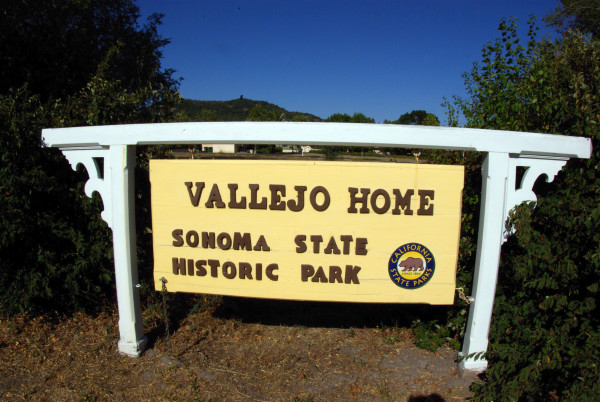
General Vallejo’s Home, Sonoma

Originally called Lachryma Montis (Latin for “mountain tear”), this two-story, wood-frame Victorian house was built in 1852 as Vallejo’s estate in the Northern Frontier. Set about a half-mile west of the Sonoma Plaza, and acquired by the State of California in 1933, the home has been authentically preserved with many of its original furnishings, such as plush red velvet chairs, elaborate chandeliers, and hand-carved wooden headboards. An adjacent chalet outbuilding holds more historical fixtures and tools of the time.
The Blue Wing Inn
In 1975, the Blue Wing was listed on the National Register of Historic Places as part of the Sonoma Plaza National Historic Landmark District. Its original adobe building was built in 1836 as a small inn and pub for visitors, but was eventually expanded into a full-service hotel and general store. Known to early locals as the Sonoma House, it hosted luminaries such as Ulysses S. Grant, Kit Carson, Fighting Joe Hooker, William T. Sherman, and even members of the Bear Flag Party.
For more ideas, find Road Trip to the Top Historic Sites of Sonoma County and Sonoma County Hotels & Lodging.
Together, we can protect and preserve the beauty and natural resources of Sonoma County for generations to come. Check out our page on Sustainable Travel, and look over the Leave No Trace Seven Principles.

Sonoma County is not a secret, but one of the county capital’s most culturally alive neighborhoods is almost hiding in…
Sonoma County comes alive in the fall with festivals that celebrate the best of its art and agriculture. Think fresh…
What is it about the wide-open spaces of Sonoma County that inspire folks to put pen to page? The region…
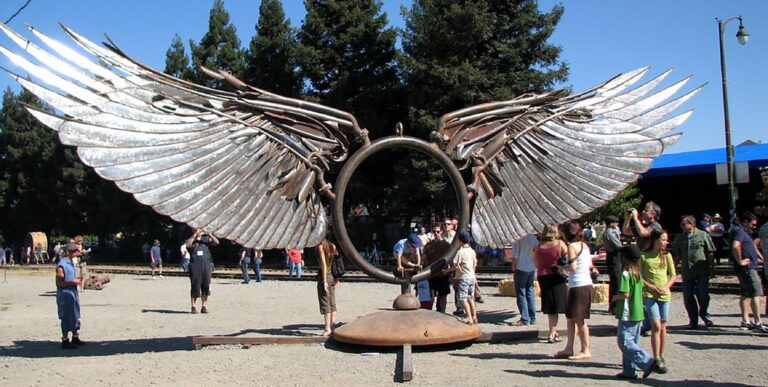
Every Labor Day weekend, costumed revelers from around the world converge on “the Playa” at the Black Rock Desert in…

Also called Chinese New Year, Lunar New Year is celebrated in many regions, including Sonoma County, with activities and parades…

Charlie Brown, Snoopy, and the rest of the gang may be recognized around the world, but to the people of…
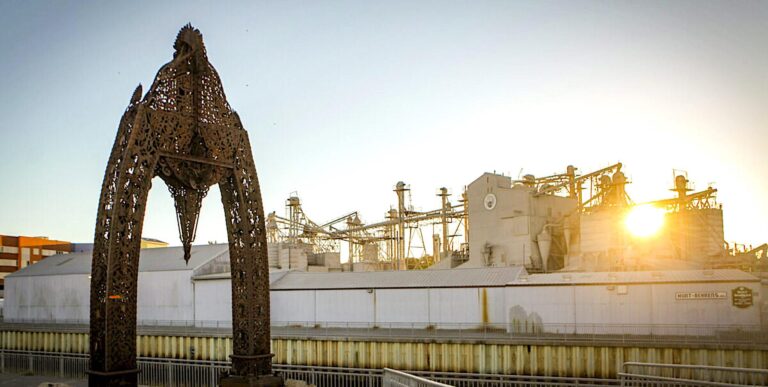
In Sonoma County, public art is easily accessible in every town. Petaluma, especially, has loads of public art, and to…

November is Native American Heritage Month, but you can celebrate Native American heritage all year long in Sonoma County. Long before…

Asian American and Pacific Islander (AAPI) Heritage Month recognizes the millions of Asians, Native Hawaiians, and other Pacific Islander communities in…
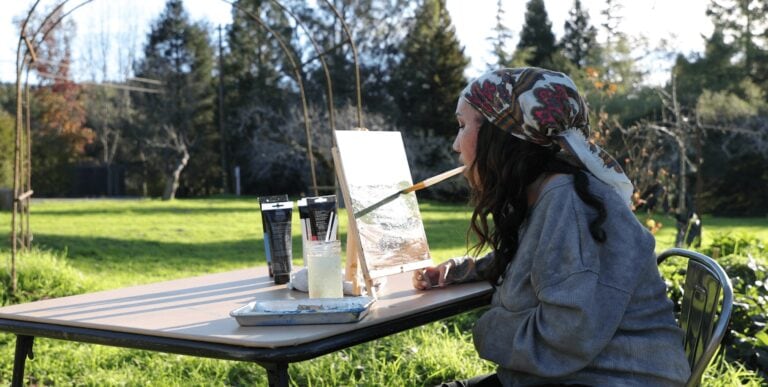
Sebastopol-based artist and entrepreneur Alana Tillman was born with a condition called Arthrogryposis Multiplex Congenita (AMC) that left her without…
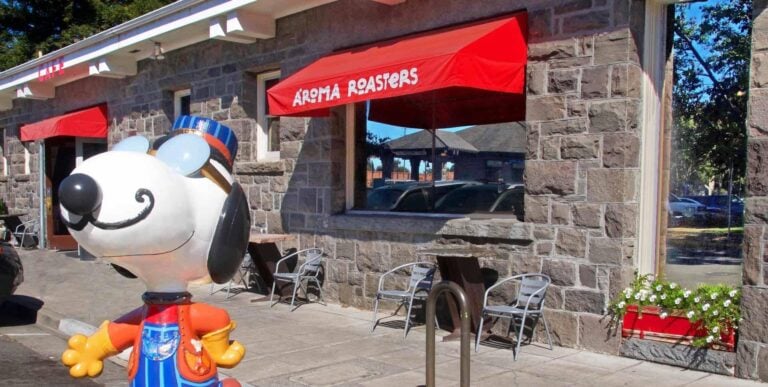
Visitors to Santa Rosa may be surprised to see the many larger-than-life statues of Snoopy around town, plus statues of Charlie…

Sonoma County has a stage for every type of play and musical, from original comedies and thoughtful dramas to splashy…
The colorful storefront and hand-crafted metal gates at the entrance to the Arts Guild of Sonoma lead the way to…
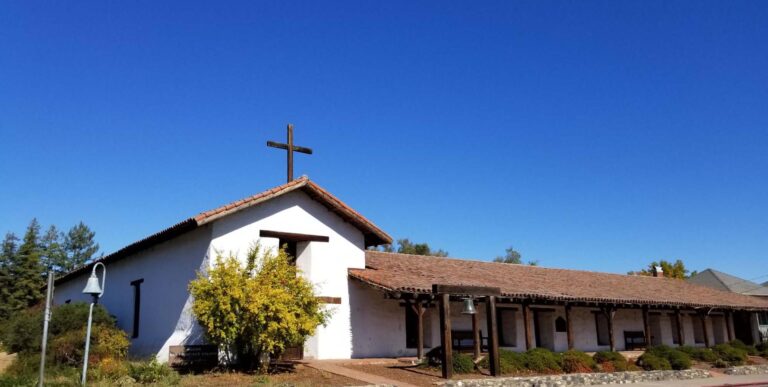
If you’re a history lover, here’s a three-day road trip that delves into Sonoma County’s long and glorious past. It…
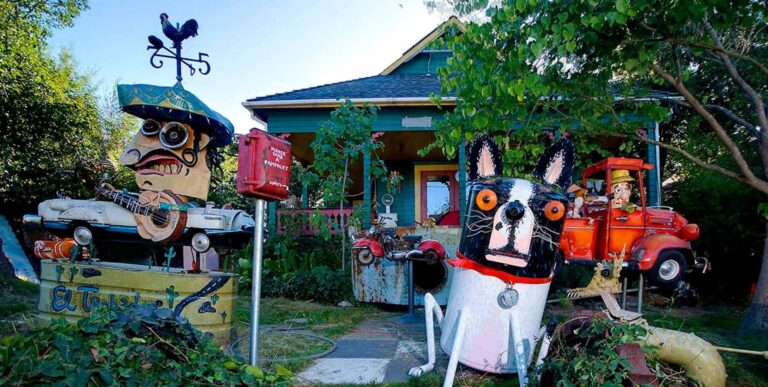
Some of the most imaginative artwork to be found in Sonoma County is made from discarded or recycled materials. There…

Creativity reigns supreme in Sonoma County. Although our world-class winemakers and award-winning chefs tend to take center stage, the region…
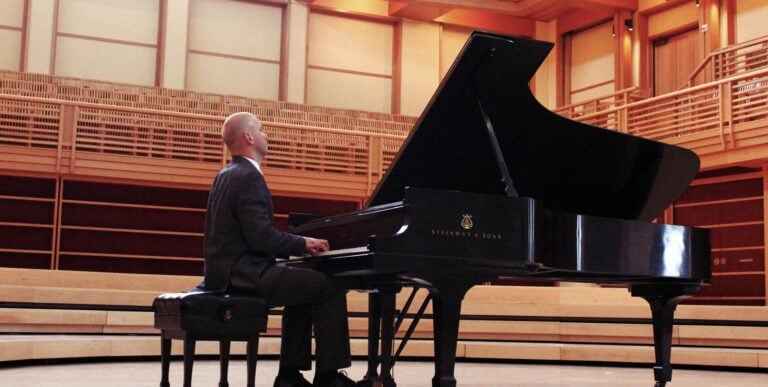
If your goal is to kick back and experience a first-class performance, Sonoma County offers two top options: Green Music…

Sonoma County, California, attracts artists of all disciplines, and their works are on display in dozens of performing arts companies,…

In the mid-1800s, Mexico ruled Northern California, owning hundreds of thousands of acres of ranchos in what is now Sonoma…
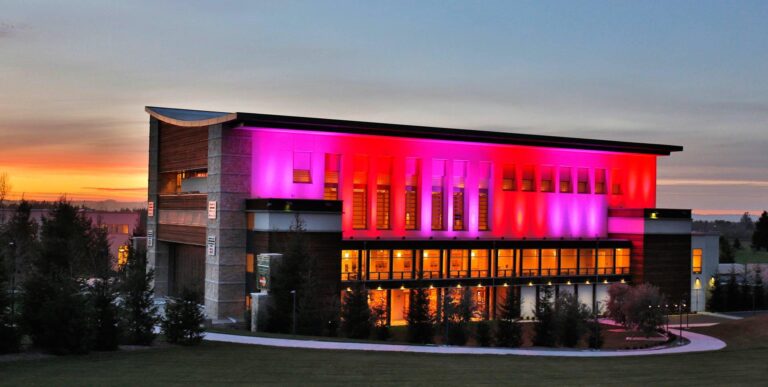
It’s all about music and choices at Sonoma State University’s Donald and Maureen Green Music Center, a world-class performing arts…
THIS IS WINE COUNTRY.
Share your experience using #SonomaCounty or #LifeOpensUp